Tourism Industry Calls for Taichung Development Blueprint: Creating a Livable Model with Vitality
Experts and scholars focus on urban vision, emphasizing systematic planning from life functions, housing affordability, to tourism linkage.
July 27, 2026 75
At the industry opinion exchange meeting, participants discussed Taichung's next phase of urban vision, unanimously agreeing that the development blueprint must move beyond mere basic infrastructure expansion toward a whole-life cycle systemic thinking. Key points emphasized integrating education, population structure, living environment, transportation, industry, and tourism—the six major elements—with a particular focus on creating a livable environment where families can 'put down roots.' Furthermore, it was suggested that the city government should actively promote affordable housing and friendly rental policies, linking regional characteristics into a co-prosperity ecosystem of culture, commerce, and agricultural products, aiming to establish a warm and livable model.
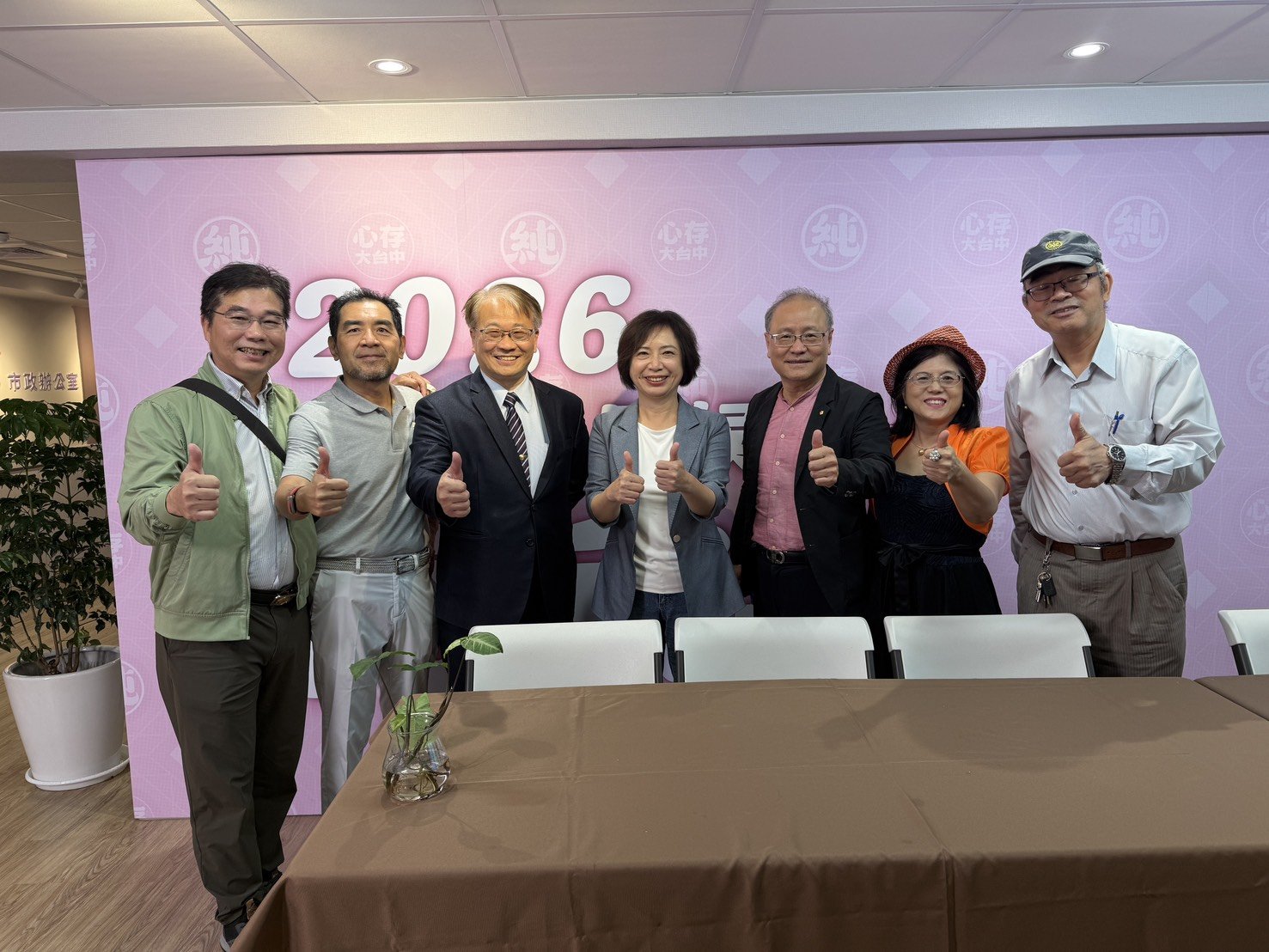
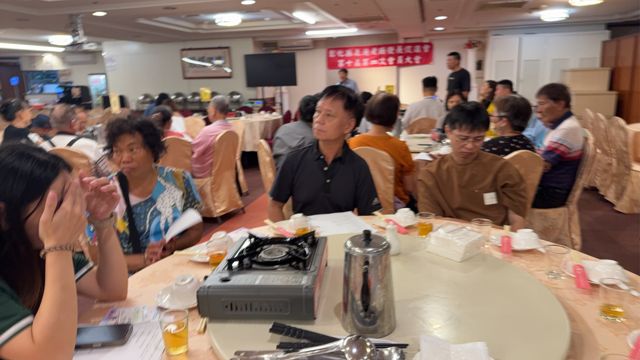
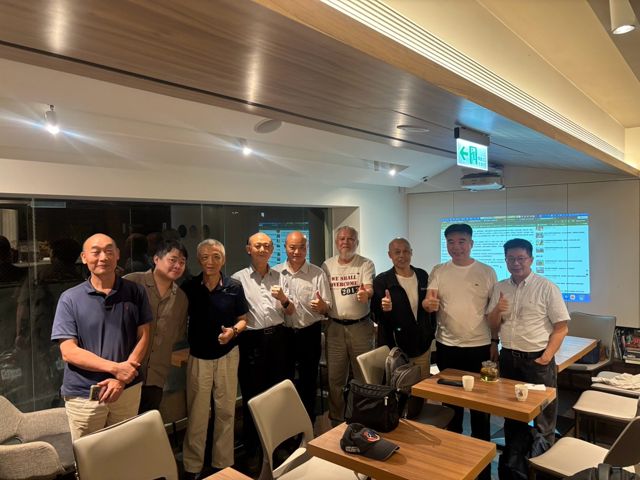
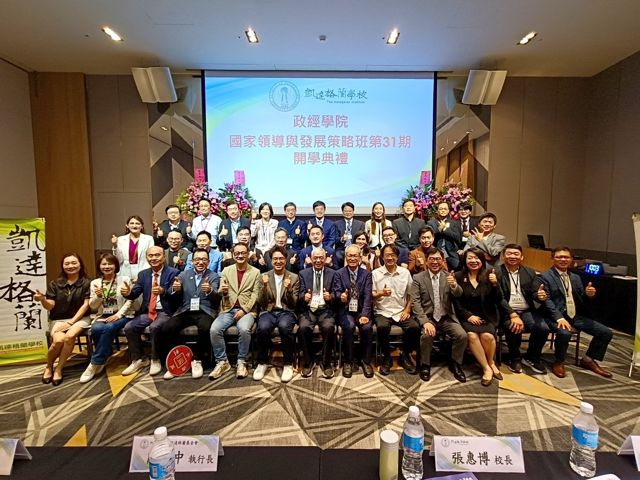
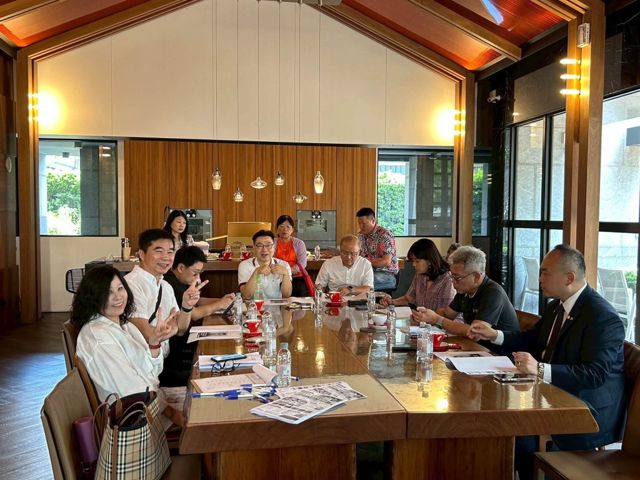
Today, the Director of the Tourism Industry and Architect Liu from Taichung attended the opinion exchange meeting for mayoral candidate He Hsin-Chun. The discussion focused on Taichung's next phase urban vision, proposing several suggestions with foresight and significant construction value. Attendees generally believe that Taichung's development cannot be limited to road widening or single construction projects, but should involve holistic consideration across multiple aspects such as education, population structure, housing, transportation, industry, and tourism. Facing the trend of declining birth rates, the city must provide more comprehensive childcare resources, school district planning, parent-child spaces, and youth employment opportunities to encourage families to settle in Taichung; simultaneously, regarding the housing pressure on young people, the municipal government should more actively promote affordable housing, social housing, and friendly rental policies, integrating them with urban planning to create new communities where transportation is convenient, life functions are complete, and work and residence achieve a balance. Architect Liu further proposed that future major constructions should adhere to the principle of "people-centered," ensuring that buildings are not merely concrete structures but become urban infrastructure that carries education, culture, tourism, and family well-being.
In terms of tourism, there is an expectation that Taichung can effectively link the unique characteristics of the Shan Hai Tun three districts, creating a symbiotic and mutually prosperous cycle among cultural attractions, commercial areas, accommodations, local agricultural products, and public infrastructure. This will in turn drive local economic development and enhance the city's brand visibility. This exchange meeting fully demonstrated the private sector's professional concern for Taichung's future, and it is also hoped that candidate He Xin-chun can continue to listen to grassroots opinions and expert advice from all sectors, integrating issues such as education friendliness, youth housing security, measures against declining birth rates, social housing supply, and tourism town development into a concrete policy blueprint. This will allow Taichung to be not only a rapidly growing city but also a model of happy livability where children are willing to grow up, young people are willing to stay, the elderly can live with peace of mind, and travelers are eager to revisit.
Share article 14
Reward the author
Enjoyed this article? Log in to send a reward to encourage the author to continue creating quality content.
Log in to tipRead next
More from「許健泰博士」
Related articles

Popular articles