Deep Dive into Technology Forum: Mapping the Cross-Domain Smart Blueprint of AI Empowerment from Basic Algorithms to Tourism and Finance
Exploring how AI can advance from basic algorithms to predictive decision-making, outlining a complete smart ecosystem covering industry applications, ethical boundaries, and social governance.
August 19, 2026 157
Videos
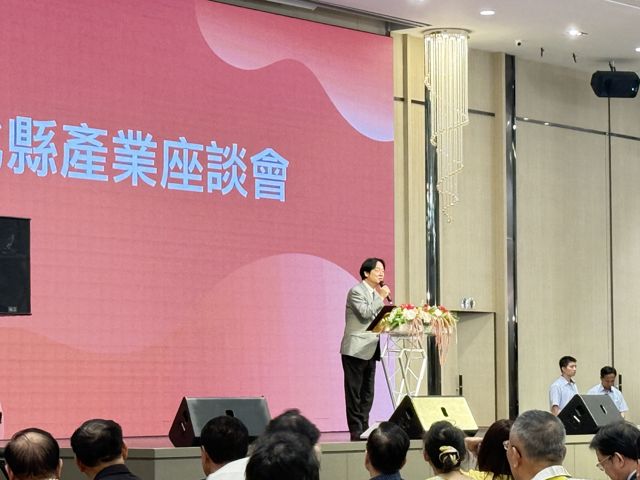
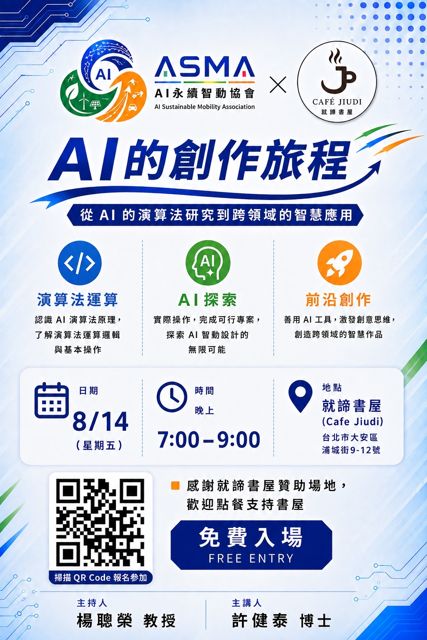
Empowering the Future with Technology: A Deep Dive into the 'TaiCoilShield AI Forum' Mapping the Cross-Domain Smart Blueprint. [Introduction: A Grand Event Where Academic Frontiers Meet Industry Intersections] Recently, the 'TaiCoilShield Technology AI Forum,' grandly held at National Taipei University of Science and Technology (NTUST), became a knowledge exchange event with profound academic depth and practical application vision. This forum was not merely a technical exhibition; it was a high-level platform where top scholars, industry leaders, and cross-disciplinary experts gathered to jointly map Taiwan's future smart development blueprint. The core focus of this forum clearly targeted the 'Basic Research of AI Algorithm Models,' which is the cornerstone layer of the academic pyramid, aiming to deeply explore how theoretical cutting-edge concepts can be transformed into interdisciplinary innovative forces capable of solving complex real-world problems. The participants at this forum were highly representative, ranging from top academic researchers specializing in computer science and artificial intelligence models, to those working in various industry chains.
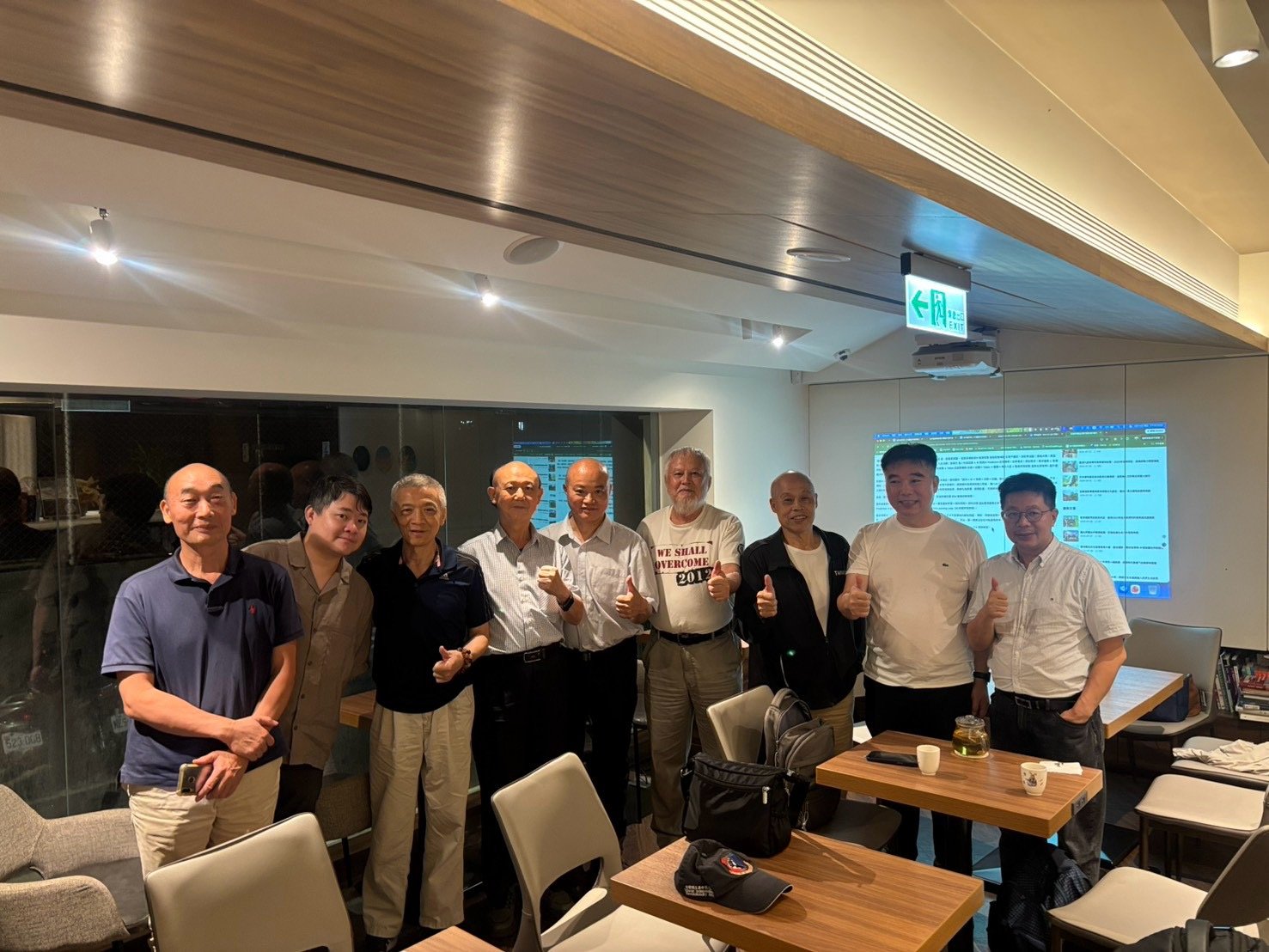
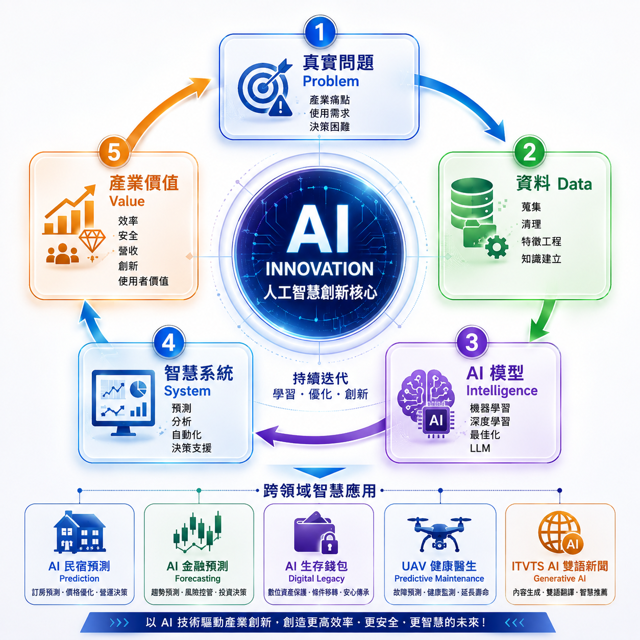
With the rapid development of Artificial Intelligence (AI) technology, the industry chain's demand for applying cutting-edge technology across various sectors is increasing. To address this, Taiwan hosted the "TaiCoilShield AI Forum," aiming to gather cross-domain resources and experts to jointly map out a blueprint for future smartization. The core topic of this forum focused on how AI can become the key driving force for industrial transformation. From diverse fields such as semiconductor manufacturing, medical care, to cultural tourism, representatives from various sectors shared their application cases and forward-looking trends. In particular, the forum proposed multiple innovative suggestions on how to build a resilient and sustainable smart ecosystem. Regarding the "Event Background," global industries are undergoing structural changes brought about by digital transformation. Taiwan, as a hub for high-tech manufacturing, deeply understands the importance of mastering AI technology. Therefore, the "TaiCoilShield AI Forum" was born, aiming to provide a platform where academia, industry practitioners, and policymakers can engage in deep dialogue and resource integration. The "Key Highlights" section covered multiple critical themes. First is the application of Edge Computing in smart cities, emphasizing the distribution of AI processing capabilities to various terminal devices; second is the standardization and interconnection building of industrial data to ensure smooth data flow between different systems; and finally is the establishment of Human-Machine Collaboration models to improve work efficiency and lower technical barriers. As shown in Figure 1, these themes collectively paint a comprehensive and implementable smart industry model. The forum highlighted that cross-domain cooperation can effectively disperse the risks of single industrial chains, forming an economic system with greater resilience. This not only enhances Taiwan's position in the global supply chain but also provides a reference model for local revitalization and the digital transformation of the tourism industry. Its profound significance lies in elevating AI from a mere technical tool to an overall strategic engine driving social, cultural, and economic development. In summary, the "TaiCoilShield AI Forum" is not just a knowledge-sharing event, but also an action platform accelerating industrial transformation and building a smart ecosystem. Moving forward, relevant participants will continue to drive concrete technology standard setting and application implementation based on the blueprint proposed at the forum, which is expected to create a smarter, more resilient, and internationalized development landscape for Taiwan.
Introduction: A grand gathering where academic frontiers meet industry.
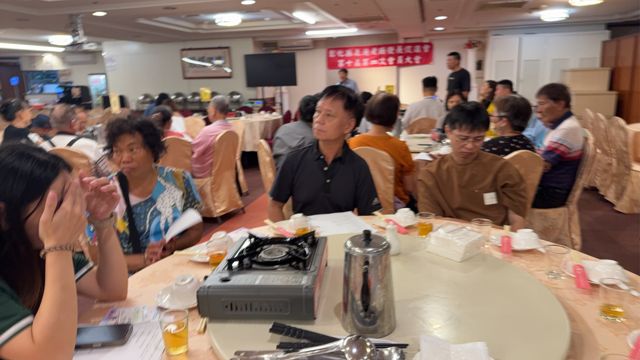
Recently, the "TaiCoilShield Technology AI Forum" held at National Taiwan University of Science and Technology (NTUST) became a knowledge exchange grand event with profound academic depth and practical application perspectives. This forum was not merely a technical exhibition; it was a high-end platform where top scholars, industry leaders, and cross-disciplinary experts gathered to jointly blueprint Taiwan's future smart development roadmap. The core focus of the activity clearly targeted "AI Algorithm Model Fundamental Research," which is the foundational layer of the academic pyramid, aiming to deeply explore how theoretical cutting-edge concepts can be transformed into interdisciplinary innovative forces capable of solving complex real-world problems.
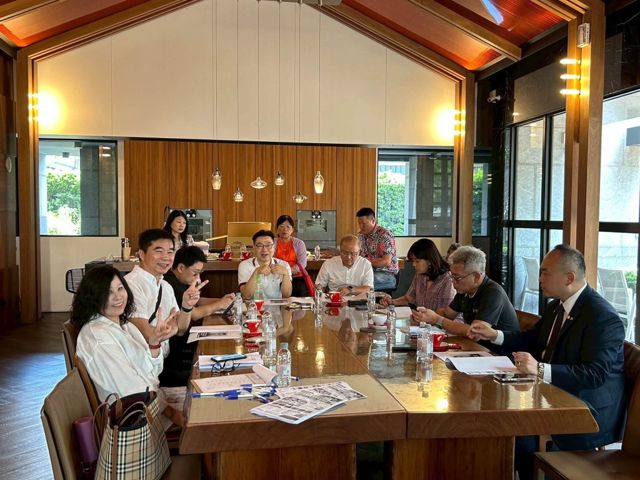
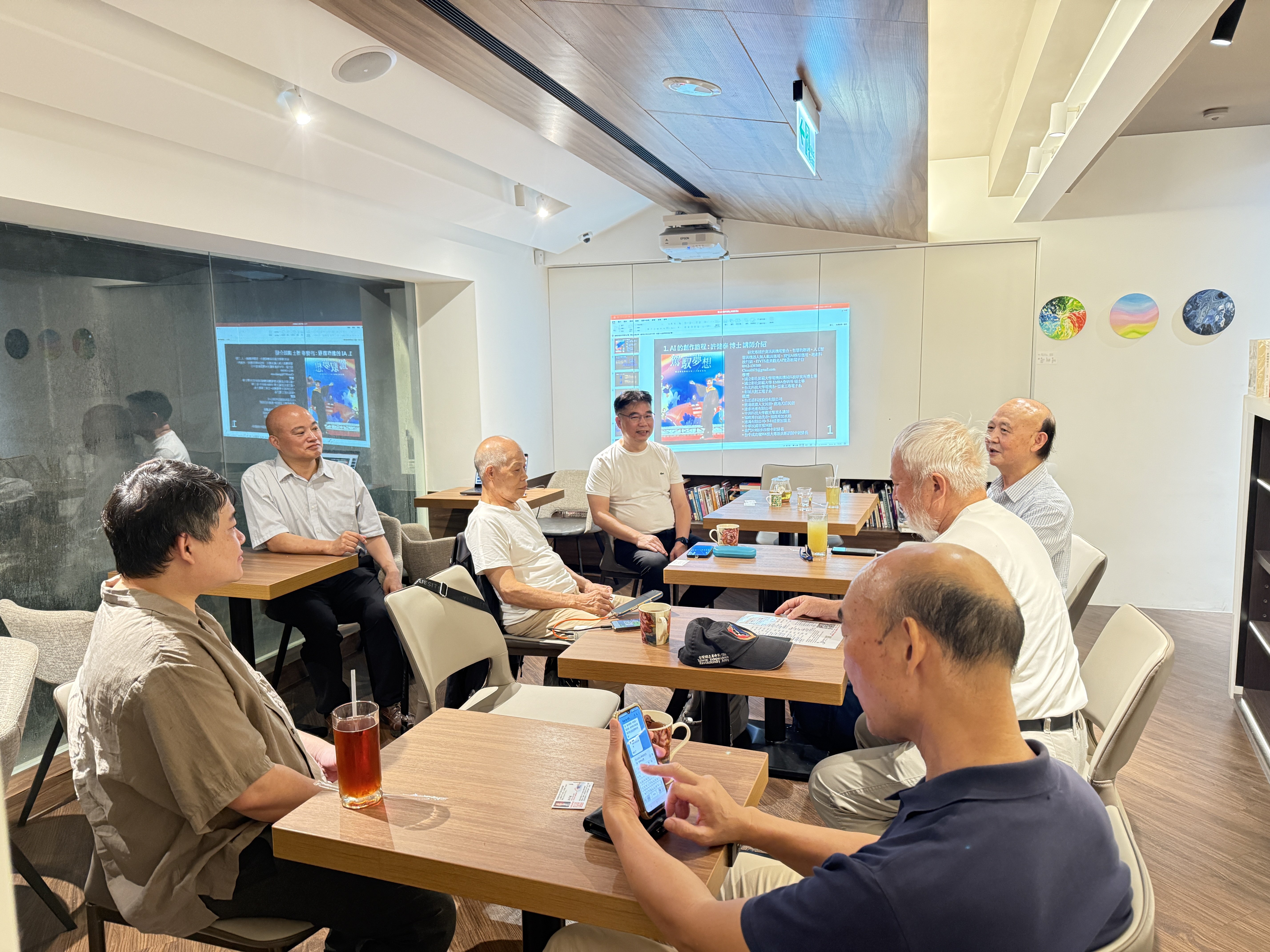
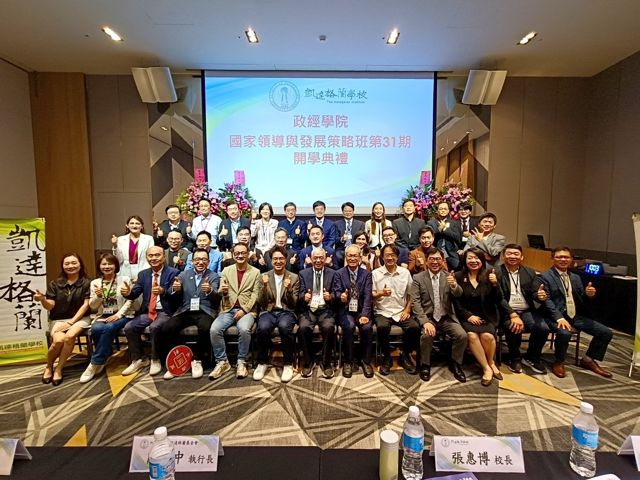
The participants at this forum were highly representative, bringing together top academic researchers deeply involved in computer science and artificial intelligence models, as well as industry practitioners actively promoting digital transformation across various supply chains. All gathered to engage in deep and constructive exchanges with the speaker, Dr. Hsu ChienTai, and several distinguished guests, scholars, and professors. The value of this grand event is not merely limited to the transmission of knowledge; rather, it lies in how academic theories intersect precisely with pain points in social needs, thereby stimulating innovative thinking with immense market potential and social benefits.
[First Layer Deep Dive: Fundamental Scientific Breakthroughs in Algorithm Models]
The most captivating part of the forum was its deep analysis of core AI technology—the "algorithmic model." Academia generally recognizes that many successful application-level cases currently rely on a stable, efficient, and highly generalizable foundational algorithmic structure. The content presented by experts such as Dr. Hsu goes beyond merely "using AI," returning instead to explore the fundamental proposition of "how to make AI think smarter."
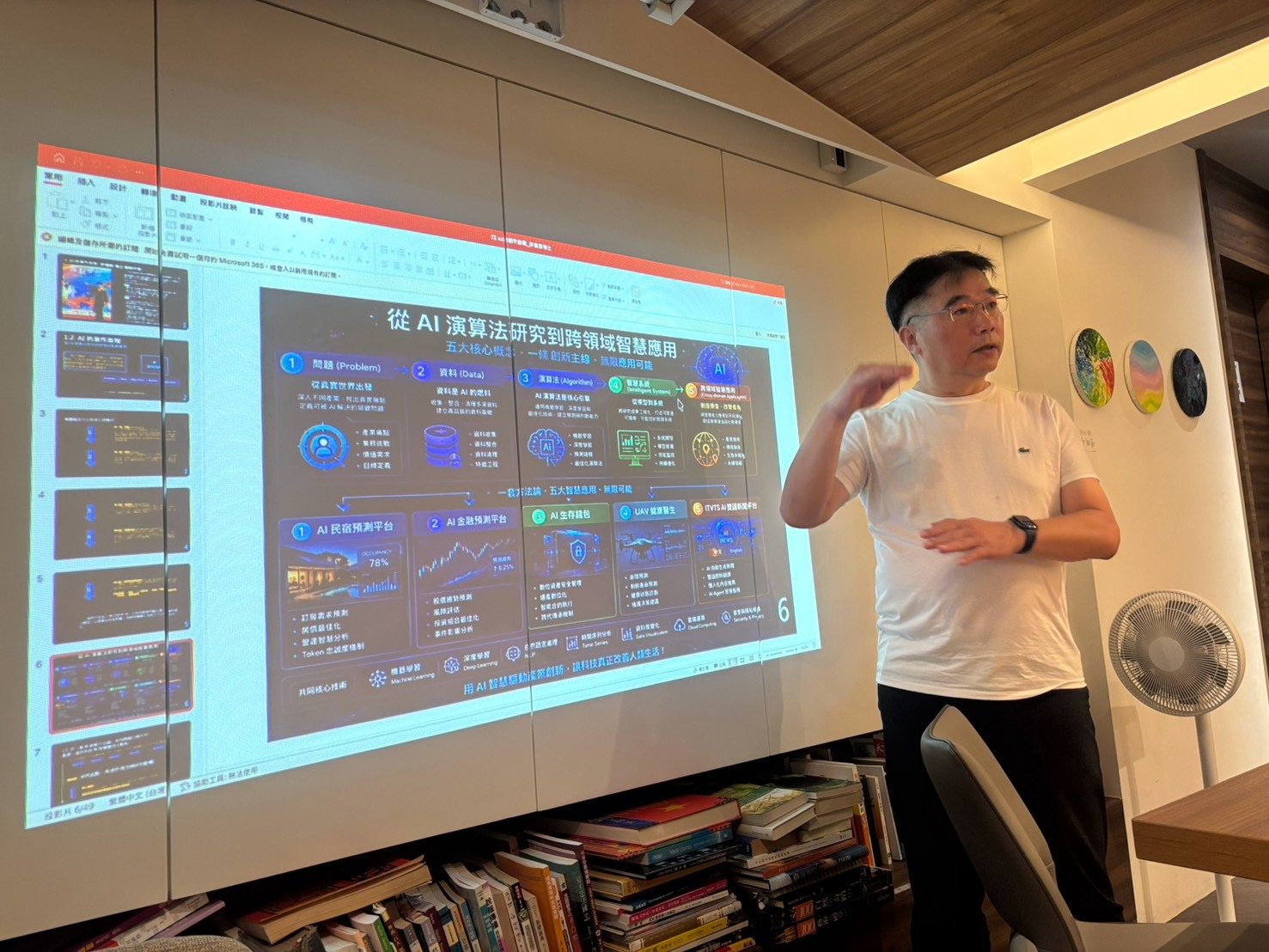
The discussion covered topics ranging from optimizing Deep Learning architectures to applying Reinforcement Learning in complex decision trees, even touching upon efficient deployment strategies for models under resource constraints in Edge Computing environments. Academic exchanges emphasized that future AI development trends will inevitably evolve from simple data input and result output models into 'intelligent systems' capable of self-optimization, continuous learning, and making accurate judgments under extremely low latency requirements. This rigorous exploration of fundamental scientific principles provides the most solid theoretical support for Taiwan's industrial chain.
[Second Layer Application Scenarios: AI Redefining Cultural Tourism and Lifestyle Experiences]
As academic discussions gradually transition to specific practical applications, the first area that has garnered high attention and demonstrated immense potential is "smart tourism and local cultural heritage transmission." The forum specifically focused on AI application models within the homestay industry. This goes far beyond simple reservation system automation; it has entered a comprehensive level of "experience management."
For example, AI models that combine Natural Language Processing (NLP) and image recognition technology can achieve customized itinerary planning and cultural content delivery. When a tourist checks into a homestay, the AI not only analyzes interest preferences based on historical booking data but can also monitor surrounding environmental climate and activity information in real-time, even combining local voice analysis to determine the traveler's emotional state, thereby proactively recommending cultural experiences or dining options that best match the current mood and needs. This elevates the homestay from a mere accommodation space into an 'immersive living environment' driven by AI intelligence.
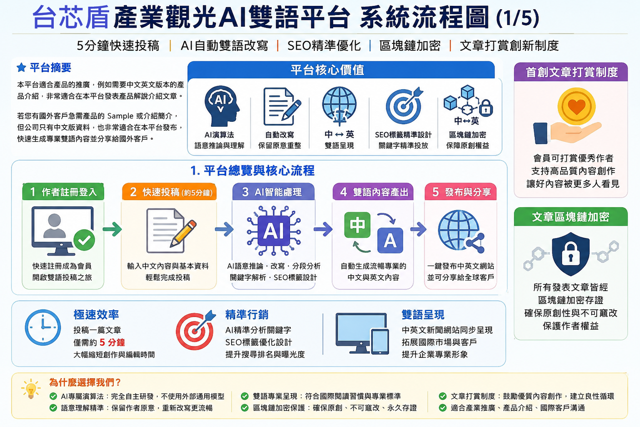
Furthermore, in terms of tourism marketing, the exhibition of the "TaiCoilShield Industry Tourism AI Bilingual Marketing Platform" demonstrates the integration of cross-cultural communication and market precision. This platform utilizes advanced machine translation models and multimodal content generation technology to instantly and highly accurately transform complex local cultural information into narrative contexts easily understood by different language groups, significantly expanding Taiwan's tourism resources' international visibility and appeal.
[Third Layer Application Scenario Analysis: Financial Risk Prediction and Smart Decision Making]
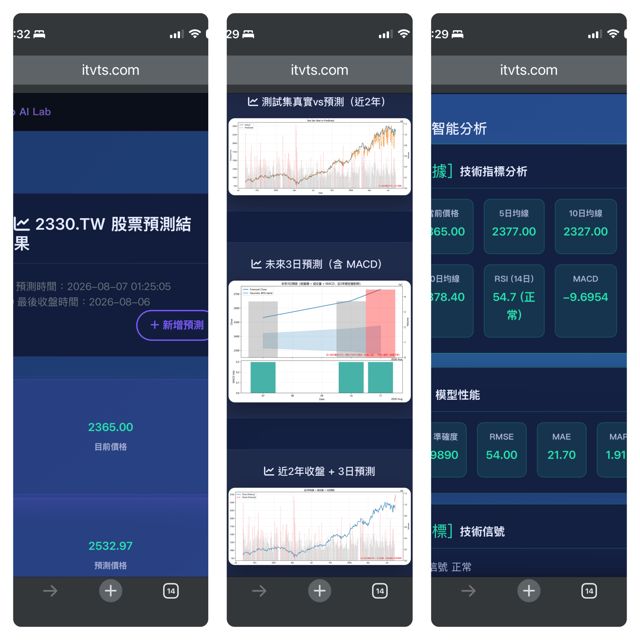
Another area highly praised and deeply discussed by academia and industry is the revolutionary role of "Financial AI Prediction Models" in risk management and investment decision-making. Traditional financial analysis often relies on historical data backtracking and manual judgment, whose limitations are evident. However, the models demonstrated at this forum have introduced complex mathematical tools such as time series analysis and non-linear regression models into real-time prediction systems.
These AI models are capable of processing massive heterogeneous data streams, including but not limited to traditional market transaction records, macroeconomic indicators, social media sentiment analysis, and even climate change trends. Through multi-dimensional cross-referencing and deep learning, prediction systems can proactively identify potential financial risk points or investment opportunities that have not yet been fully discovered by the market. This not only enhances the decision accuracy of financial institutions but also transforms them from 'ex post reports' to 'preemptive warnings,' greatly optimizing capital allocation efficiency and socio-economic stability.
【Fourth Layer Application Scenario Analysis: Practical Inference of Drone Technology Combined with AI】
In terms of infrastructure and industrial applications, the forum specifically showcased 'drone AI prediction' capabilities. This represents that AI has evolved from a simple data analysis tool to an intelligent carrier with physical spatial perception and autonomous decision-making abilities.
Traditional drone inspections merely collect visual data; however, systems that integrate AI predictive models can perform real-time "anomaly detection" and "risk assessment" during flight. For instance, when inspecting power distribution networks, AI can not only identify physical damage on utility poles but also predict the likelihood of equipment failure in the coming weeks based on historical maintenance data, environmental humidity, and other parameters. This elevates inspection work from "post-event recording" to "proactive prevention," significantly reducing the incidence rate and social cost of industrial accidents.
The Depth of Academic Exchange: Inspiring Discussion in the Q&A Session
The interactive Q&A session was the most representative of the high level of professionalism at this forum. Attendees demonstrated a passionate and critically thinking spirit in their questions. The issues they raised often did not stop at the level of 'Can this technology be used?' but delved into broader topics involving law, philosophy, and policy formulation, such as 'How to optimize the ethical boundaries of models within Taiwan's specific socio-cultural context?' or 'How should responsibility be allocated when an AI model generates a prediction error?'
This high-level questioning not only allowed the speakers to further elaborate on the technical feasibility from a theoretical perspective but also prompted all participants to realize that AI's development is not purely an engineering problem; it is a "social science" issue that requires cooperation from the entire society and the establishment of a complete regulatory system.
Conclusion and Outlook: Cooperation Models for Co-creating the Smart Era
In summary, the blueprint presented at the "TaiCoilShield AI Forum" has transcended the scope of a mere technology exhibition. It outlines an intelligent social model driven by fundamental academic research and validated through cross-disciplinary application scenarios (such as tourism, finance, and industry).
The greatest significance of this grand event lies in its successful elevation of "academic understanding" to "industrial capability," thereby inspiring multi-layered future cooperation opportunities. This is not merely a one-way technology transfer between enterprises and universities, but rather the establishment of an ecosystem built on the resonance of four parties: "research institutions—academic systems—industry needs—policy makers."
Facing the increasingly intense global AI competition, Taiwan must possess a systematic and multi-dimensional smart development strategy. The enthusiastic support and deep discussions generated at this forum provide the most valuable spiritual momentum and practical blueprint for this goal. It clearly points out that only by combining the rigor of fundamental algorithm research with the sensitivity to local industry needs can the power of technology truly become the core engine driving Taiwan's society forward toward a smart era. The seeds sown at this forum predict a better future, one deeply empowered by AI and possessing greater resilience and adaptability.
Dr. Chien-Tai Hsu, CEO, shared a course on innovative AI algorithm model TaiCoilShield
https://itvts.com/
Share article 18
Reward the author
Enjoyed this article? Log in to send a reward to encourage the author to continue creating quality content.
Log in to tipRead next
More from「許健泰博士」

Related articles
Popular articles