Taiwan Tourism Sets Sail Again: Insights on Domestic Travel Transformation and New Opportunities for Changhua B&Bs from the Industry Alliance Board Meeting
July 22, 2026 421
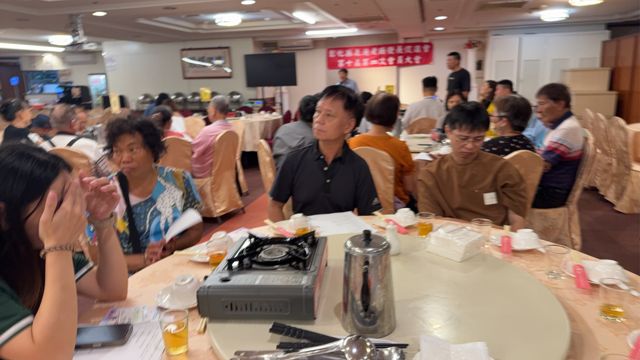
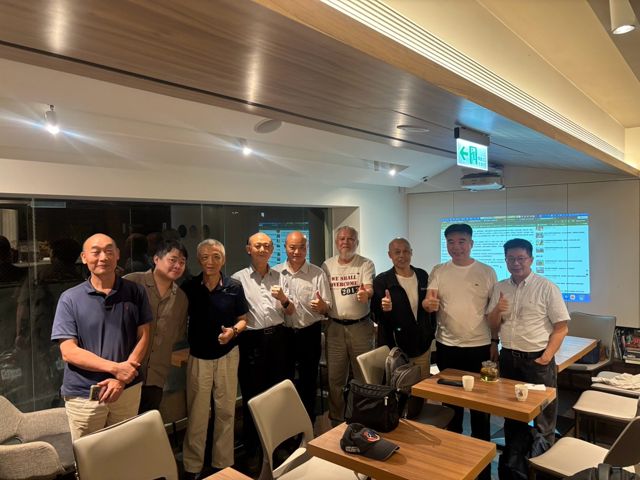
Attended the Taichung Board of Directors meeting of the Taiwan Tourism Industry Alliance Association to exchange views with industry leaders on post-pandemic domestic travel transformation. The discussion covered inbound, outbound, and domestic tourism data, local micro-trips in Central Taiwan, and in-depth tourism in Lukang. It highlighted that while Changhua's B&B occupancy rate once dropped as low as 9.5%, this also signifies vast room for development.
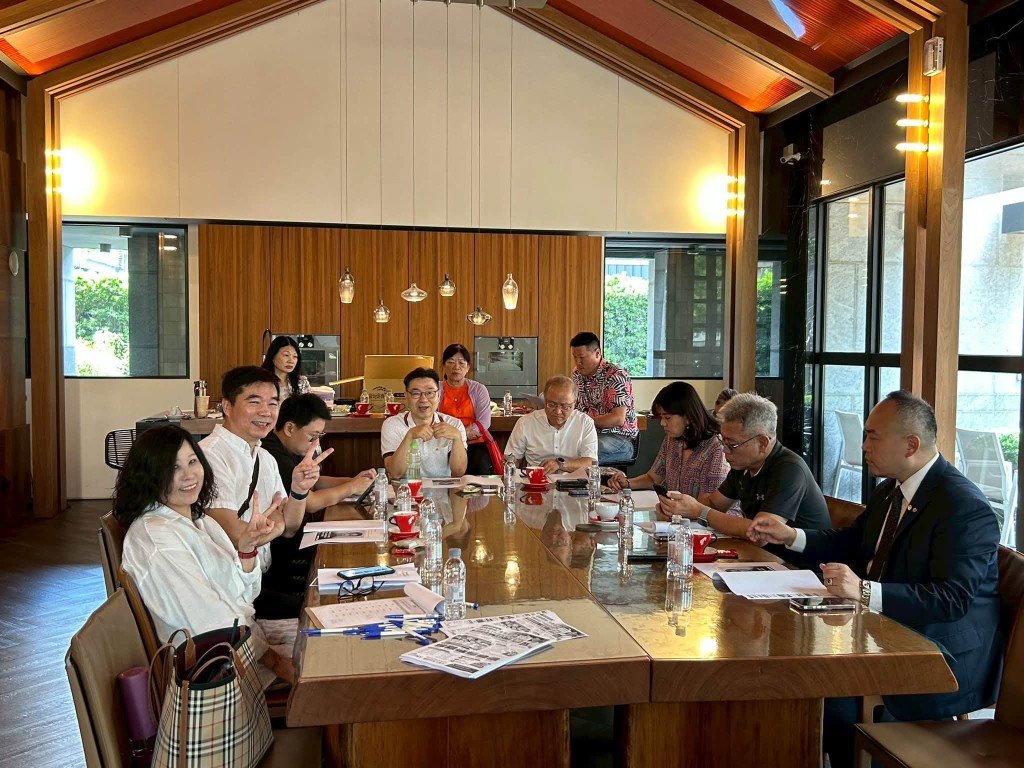
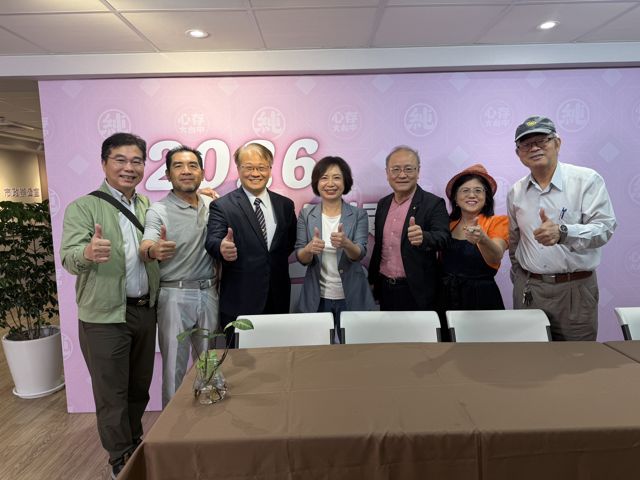
Today, I attended the Board of Directors meeting held by the "Taiwan Tourism Industry Alliance Association" in Taichung, exchanging insights with numerous senior figures in the tourism industry. I am deeply convinced that Taiwan's tourism sector stands at a critical juncture requiring reintegration and a fresh start. The atmosphere at the venue was pragmatic and vibrant; attendees did more than just exchange business cards—they engaged in substantive discussions on market data, traveler behavior, and local resources to chart the course for the next phase of Taiwan's tourism development.
During the meeting, Mr. Xiao, Vice President of EasyWeb, presented a detailed, data-driven analysis of recent trends in inbound and outbound travel numbers, as well as the current state of the domestic tourism market. From the momentum of international visitors arriving in Taiwan to the trends of Taiwanese citizens traveling abroad, and changes in domestic consumption patterns, it is evident that the post-pandemic tourism market faces challenges beyond mere "recovery." It must confront comprehensive shifts in travel styles, consumer habits, pricing structures, and industry service capabilities. The curves and structural changes illustrated in the presentation clearly indicate that travelers are no longer satisfied with superficial sightseeing; instead, they prioritize experiential depth, local connections, and itinerary flexibility.
Chairman Huang also offered incisive analysis during the meeting, addressing industrial policy, tourism resource integration, local特色 development, and strategies to enhance Taiwan's international competitiveness in tourism. He emphasized that tourism is not the responsibility of a single department but requires a shared language and coordinated action across ministries, counties/cities, and industry chains. When the return of international tourists falls short of expectations and domestic enthusiasm for overseas travel remains high, the domestic tourism sector must present compelling reasons to encourage travelers to keep their budgets and holidays within Taiwan.
The tourism industry extends beyond travel itself, linking transportation, accommodation, dining, culture, agriculture, local revitalization, and international marketing. A successful tourism strategy often stems from "connecting scattered highlights into a complete path that encourages staying, spending, and sharing." Particularly in Central Taiwan, leveraging "local micro-trips" can connect tourism hotspots such as Taichung, Changhua, and Lukang, encouraging travelers to stay an extra night, explore another alleyway, or listen to another local story.
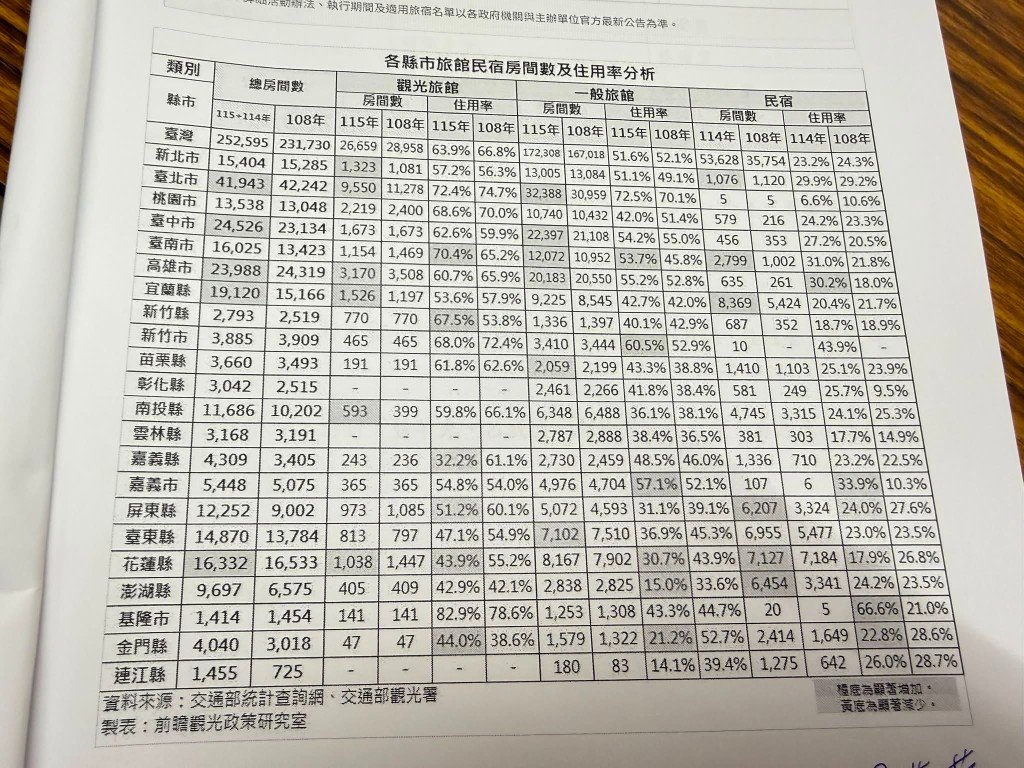
A set of figures repeatedly mentioned at the meeting concerns the fluctuation in B&B occupancy rates in Changhua County. According to statistics from the Taiwan Tourism Bureau compiled by the Forward-looking Tourism Policy Research Office, Changhua's B&B occupancy rate dropped as low as 9.5% in 2019 (ROC Year 108), ranking last among all counties and cities nationwide. While this figure may initially seem concerning, viewed from another perspective, it indicates that the market still has over 90% room for growth and optimization. As the nationwide B&B market undergoes reshuffling and travelers' demands for accommodation quality, thematic uniqueness, and local experiences rise, Changhua—especially Lukang—has the opportunity to carve out a distinct accommodation narrative through differentiated positioning.
#ChanghuaB&BOccupancyRate hitting rock bottom at 9.5%, ranking last nationwide, represents significant development potential with 90.5% room for improvement. This is not merely self-comforting number games but a reminder to operators and local governments: when the baseline is low, sufficient effort in product development, marketing, and integration can lead to visible structural turnaround. The data table also shows that Changhua's B&B occupancy rate has gradually recovered in recent years, indicating that the market is not devoid of momentum but requires more precise themes, complete itineraries, and stable tourist flow diversion.
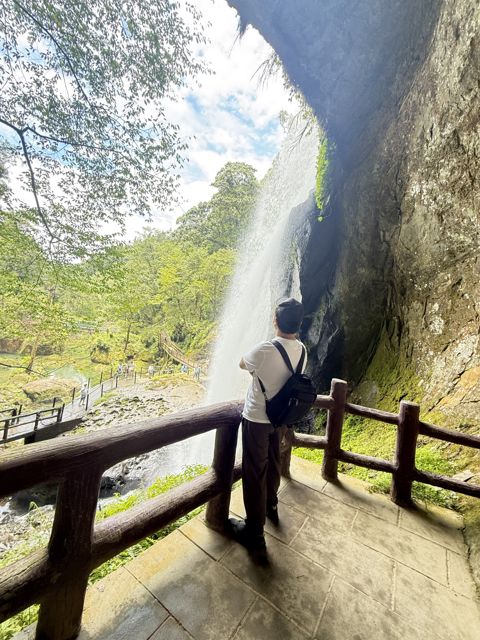
Among these, Lukang serves as a crucial hub suitable for developing in-depth tourism and accommodation integration. Whether it is Lukang Old Street, Mazu Temple, Longshan Temple, traditional crafts, local delicacies, or the humanistic stories found while strolling slowly through alleyways, all are worth pausing to savor. Lukang's charm lies in its simultaneous possession of "tourism fame" and "authentic living atmosphere": by day, one can visit temples, view crafts, and eat snacks; in the evening, one can feel the daily life interwoven between residents and shopkeepers in the alleys; at night, it is ideal to slow down, letting the ancient city's lights and sea breeze press the pause button on the journey.
If arranging a local micro-trip in Central Taiwan, I recommend adopting a rhythm of "Taichung City Experience + Changhua Township Culture + Lukang Ancient City Accommodation," creating a replicable route that integrates transportation, dining, guiding, and lodging. For family travelers, this is an easy-to-arrange, low-risk two-day, one-night trip; for younger demographics, it can include handicrafts, markets, and night walks; for seniors, Lukang's flat terrain and rich temple culture make it more suitable for a slow-travel pace.
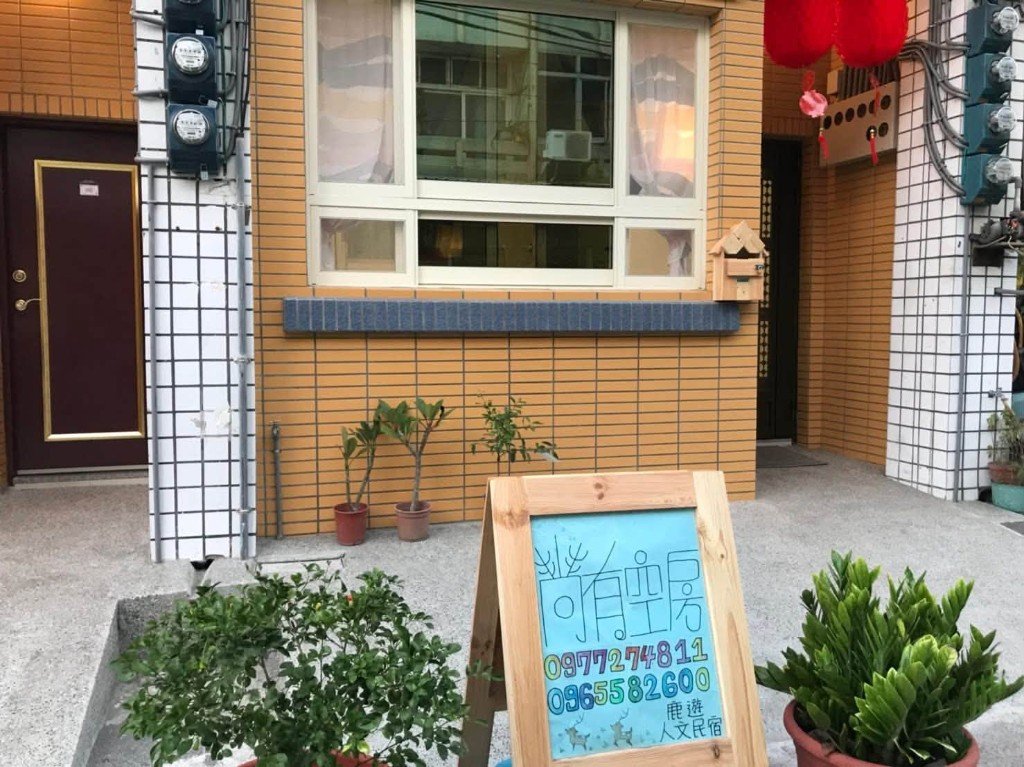
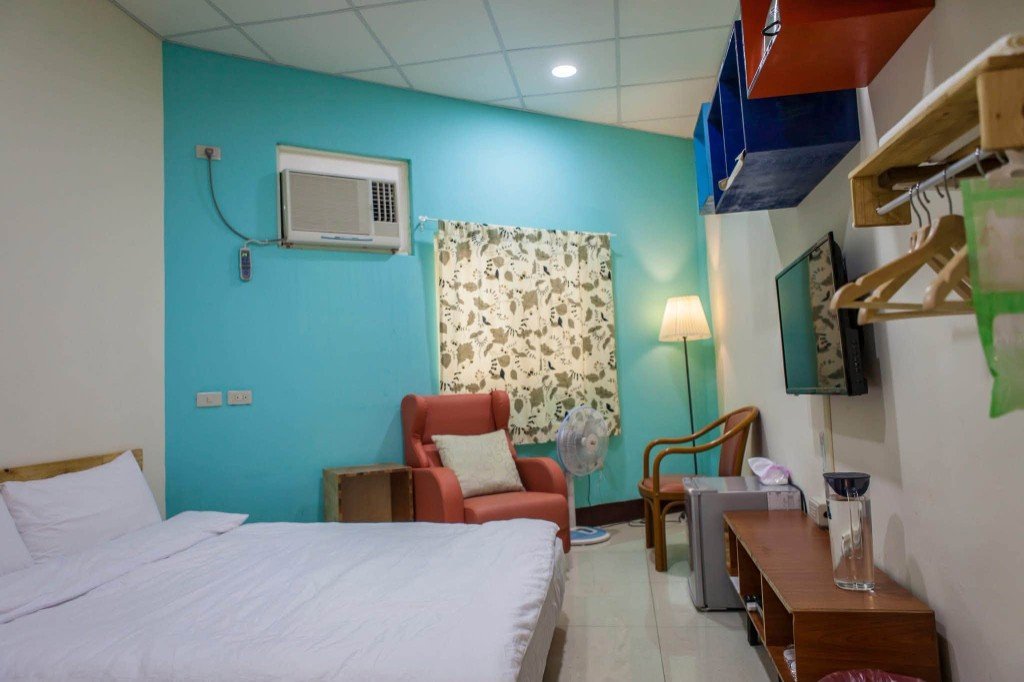
Accommodation experience is one of the key factors determining the success of in-depth tourism. A good B&B does not just provide a room for overnight stay; it extends the city memories of the day, allowing travelers to still feel the local humanistic warmth upon returning to their rooms. Clean, quiet, and comfortable rooms, coupled with hosts willing to share local information, often accumulate better word-of-mouth and repeat visit rates than luxurious decor.
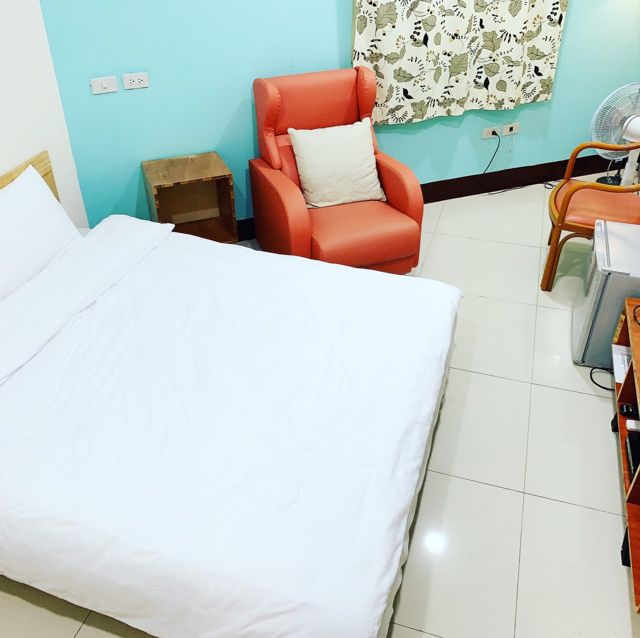
We also welcome connections with Lukang's characteristic local accommodations: Lukang Luyou Humanistic B&B, reservation phone 0965-582-600; Tianhou B&B, reservation phone 0905-288-060. Reservations can be made by phone, extending the journey from daytime cultural exploration to nighttime slow living in Lukang. Luyou Humanistic B&B conveys a "homecoming" feeling through handwritten signs and its quiet facade in the alleys; guests can feel the operator's attention to detail even before check-in, which is precisely the competitiveness of B&Bs that is hardest to replicate in the tourism market.
From an industry chain perspective, when platforms, travel agencies, local associations, and B&B operators collaborate to design "stay-worthy" products, the increase in Changhua's occupancy rate becomes not just a revenue issue for individual operators but an accumulation of the overall destination brand. With government and public associations providing policy and resources, platforms offering data and traffic, and local operators delivering experiences and services, only through three-party cooperation can the "low baseline" be transformed into a "high-growth narrative."
I gained much from today's meeting and look forward to the Taiwan tourism industry continuing to innovate and integrate resources through the joint efforts of the government, platforms, operators, and local communities. This will add depth to domestic travel, enhance the attractiveness of inbound tourism, and help local tourism industries break new ground with greater distinctiveness and competitiveness. For travelers, this means that future trips to Central Taiwan will not just be about "visiting a spot" but "immersing in the life of a town." For operators, it means that B&Bs, guiding services, dining, and activities must move from fighting their own battles to forming systems that can be integrated, recommended, and revisited. The next chapter of the tourism industry will not rely solely on single viral events but on long-term accumulated trust and experience. Only when we are willing to treat places like Lukang as living scenes worth repeated visits, rather than one-day check-in points, will Taiwan's domestic tourism truly have the confidence to set sail again.
Source:On-site Notes from the Taiwan Tourism Industry Alliance Association Board Meeting
繁體中文Share article 10
Reward the author
Enjoyed this article? Log in to send a reward to encourage the author to continue creating quality content.
Log in to tipRead next
More from「ITVTS 管理員」

Related articles
Popular articles