Gathering Heart and Wisdom: Lukang Old Street Business District Advances to a New Milestone of "Co-creation"
From Individual Merchant Interests to Ecosystem Sustainability: Local Operators Establish a Shared Vision and Upgrade Collaboration Models.
July 23, 2026 237
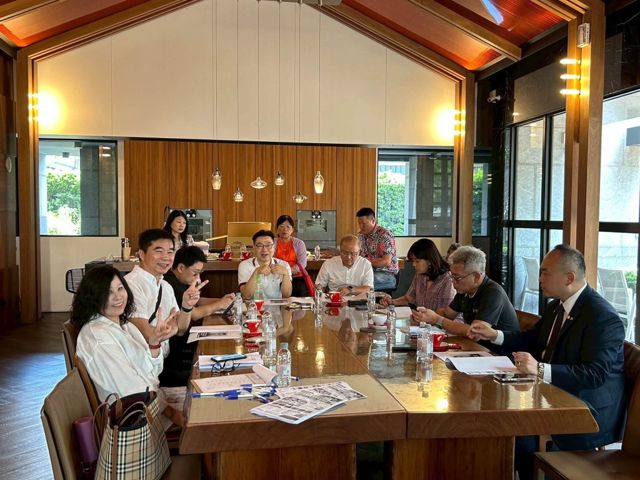
This article records reflections from attending the Lukang Old Street Business District Promotion Association's general meeting. The author points out that this meeting was not merely a routine gathering, but rather a brainstorming session that gathered the heart, wisdom, and expectations of local merchants. Faced with changing times, local operators realize they must shift from fighting alone to adopting a "co-creation" mindset, elevating their goal from "my store" to the "overall development of the old street." The key is learning to transform differing opinions into constructive energy, establishing a macro perspective where the "overall development of Lukang Old Street" is the highest premise, moving towards developing deep tourism products that combine artisan workshops and cultural and creative experiences, thereby achieving a systemic upgrade from merely "seeking survival" to "seeking shared prosperity."
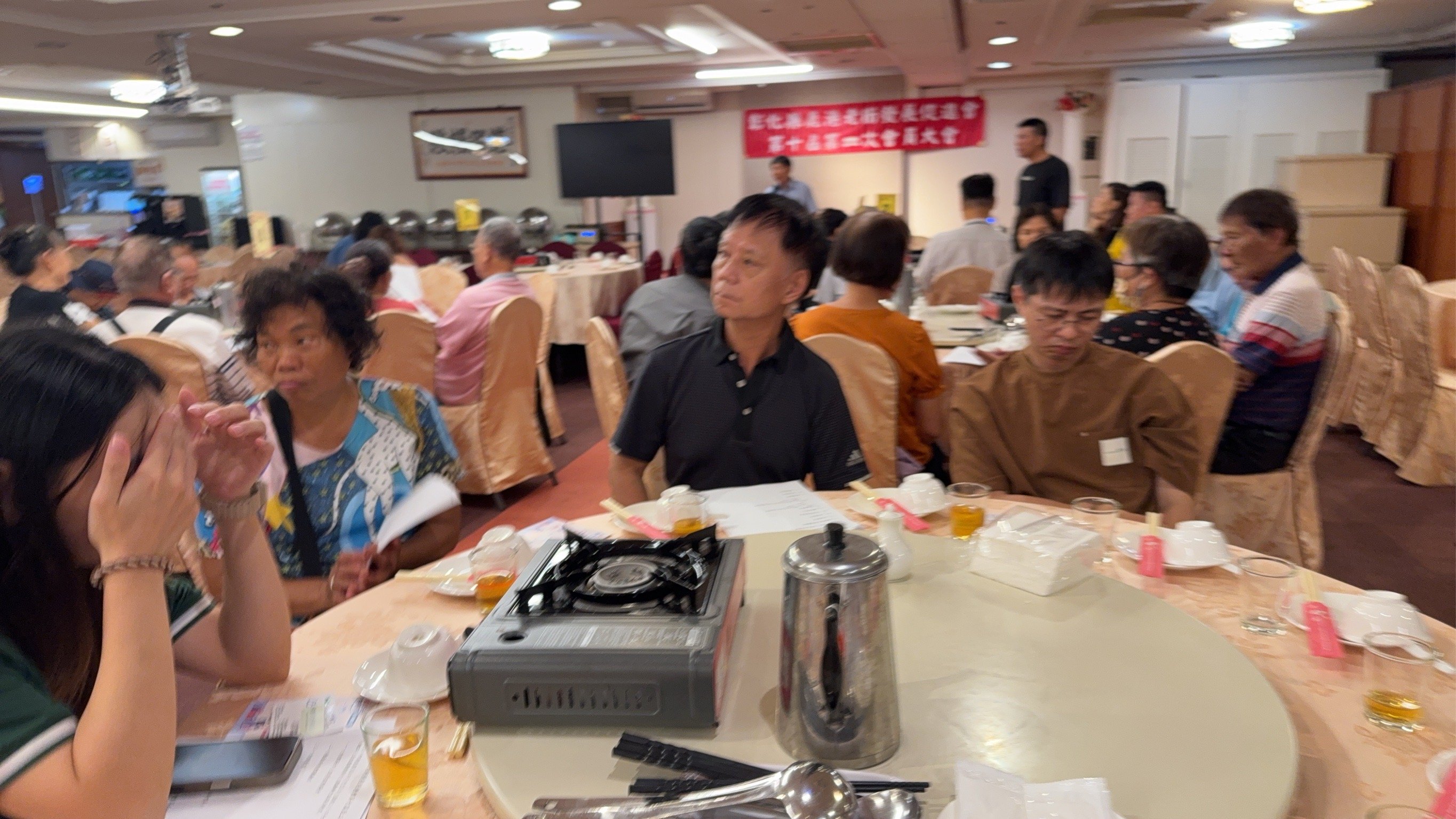
Attending the Lukang Old Street Business District Promotion Association's general meeting today, I deeply felt the dedication and anticipation of all the shop owners for the local development. This grand event was not just a simple routine gathering; it was more like a large-scale brainstorming session that gathered the heart, wisdom, and expectations of every local merchant. Lukang Old Street itself, with its historical depth alone, is enough to make people stop and admire it. It is not just a commercial area; it is a living cultural museum in Taiwan, carrying rich historical and cultural narratives, an indescribable human touch, and a commercial vitality that remains vibrant. For us local operators, this place is the most important core of tourism and economy for the locality—it is our "lifeline."
The association itself is a platform composed of various types of shops around the old street. Although everyone comes from different industries—some sell specialty souvenirs, some provide dining services, and some offer experience activities—each person's operating model and daily operations are different, naturally leading to variations in their positions and ideas. But what was most moving was when we shifted our focus from "my store" back to the "overall Lukang Old Street." A common and firm goal emerged: that is, the hope for Lukang Old Street to become better and different. Everyone's sentiment points toward the same vision—to make the atmosphere of the business district livelier and more vibrant; so that tourists do not just pass by for photos but are willing to stay longer to consume and experience local life; ultimately achieving stable and sustainable operations for us local merchants, which is what everyone cares most about: the "livelihood."
The atmosphere at the venue showed a mix of warmth and deep thought from the beginning. When the owners exchanged ideas during the meal, they didn't just discuss the ups and downs of business; they delved into how to cope with challenges brought by changing times. This process of "consensus building" is itself an extremely valuable learning experience.
During the meeting, there were inevitably disagreements and differing viewpoints regarding the association's specific operating procedures, important decision-making methods, and future plans for promoting the business district. This is very normal because everyone comes from frontline, practical operations. Everyone's "optimal solution" is different. Some might feel that "this process is too slow," while others believe that "we need stronger marketing promotion." If these differing voices are not handled well, they can easily turn into an atmosphere of mutual blame or withdrawal. However, what I observed was that these discussions were not simply about opposition or argument; the deep underlying reason was actually a high expectation from everyone regarding "the association's ability to operate effectively," and a deep concern, even slight anxiety, about "the future development direction of Lukang Old Street." This care is the most precious asset.
The key lies in how to transform these seemingly divergent voices into constructive discussion energy. As long as we can learn to bring the focus back to "systems" and "consensus building," which means communicating rationally and systematically within an established framework; more importantly, it means learning to respect the procedural considerations and differences in viewpoints proposed by every participant without easily dismissing any voice. When we truly operate with the mindset that "everyone is for the good of the old street," placing this shared sense of mission first, I believe all seemingly contradictory opinions can be cleverly integrated like puzzle pieces, ultimately transforming into a powerful driving force to advance the entire business district and upgrade its brand.
This meeting further highlighted a core concept—"Co-creation." This does not just mean everyone participating in activities; it means that we must achieve a high degree of synchronization and cooperation in our operating mindset. In the past, perhaps everyone operated independently, fighting alone, but the trend now is that no one can sustain the lifeblood of an old street by themselves. From dining to retail, from tourism experiences to local cultural inheritance, every link needs mutual supplementation and support; this is the essence of "systemic upgrading."
We expect the association to continue adhering to the principle of "taking the overall development of Lukang Old Street as the highest premise," internalizing it into the guiding policy for every decision. This means that when planning any activity or promoting any policy in the future, we cannot only consider the benefits of one industry; instead, we must ask: "How much has this improved the tourist experience for the entire business district?" and "What is the spillover benefit to other surrounding shops?" This macro perspective represents a mature evolution from merely "maximizing merchant profit" to "sustainable development of the local ecosystem." It signifies that the operating mindset has upgraded from "seeking survival" to "seeking shared prosperity."
Furthermore, facing the post-pandemic era and major changes in tourist consumption habits, we can no longer rely on experiences from previous years to drive the future. The unique characteristic of the old street must dig deeper than just historical architecture; it must uncover the stories and interactivity of "people." For example, developing deep tourism products that combine local artisan workshops and cultural and creative experience courses can extend the time tourists stay and naturally increase their spending. This requires the association to evolve from a mere "market promotion platform" into a "resource integration and innovation incubator."
In summary, this meeting was more like a defining ceremony. It tells us that the future roadmap for the Lukang Old Street business district is not a blueprint drawn unilaterally by any single leader, but rather a "consensus map" to be jointly planned by all shop owners. As long as everyone can maintain this spirit of active participation and treat every discussion as an opportunity to improve oneself and upgrade the system, I believe that the Lukang Old Street business district will surely enter a beautiful era that is more stable, more layered, and capable of attracting more people to stay.
Share article 0
Reward the author
Enjoyed this article? Log in to send a reward to encourage the author to continue creating quality content.
Log in to tipRead next
More from「許健泰博士」
Related articles

Popular articles