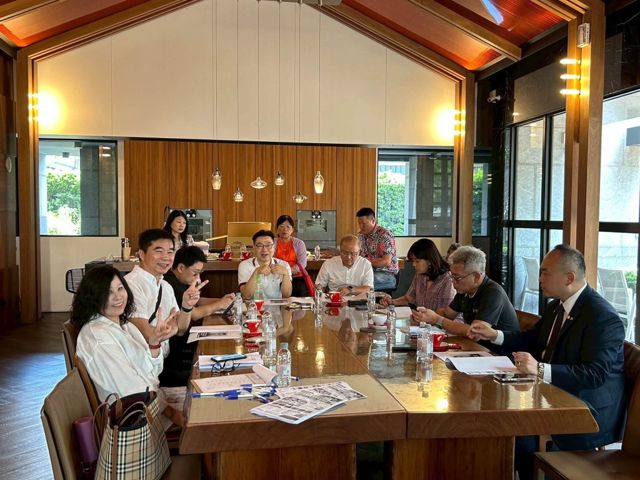
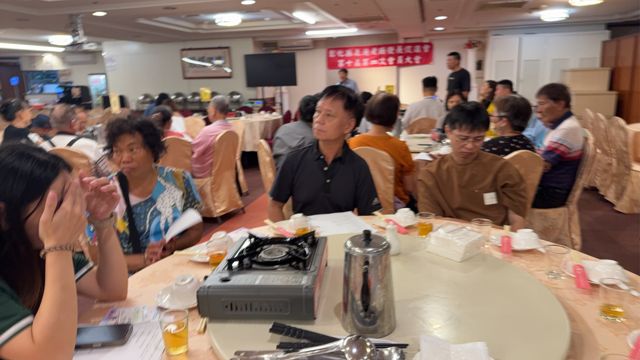
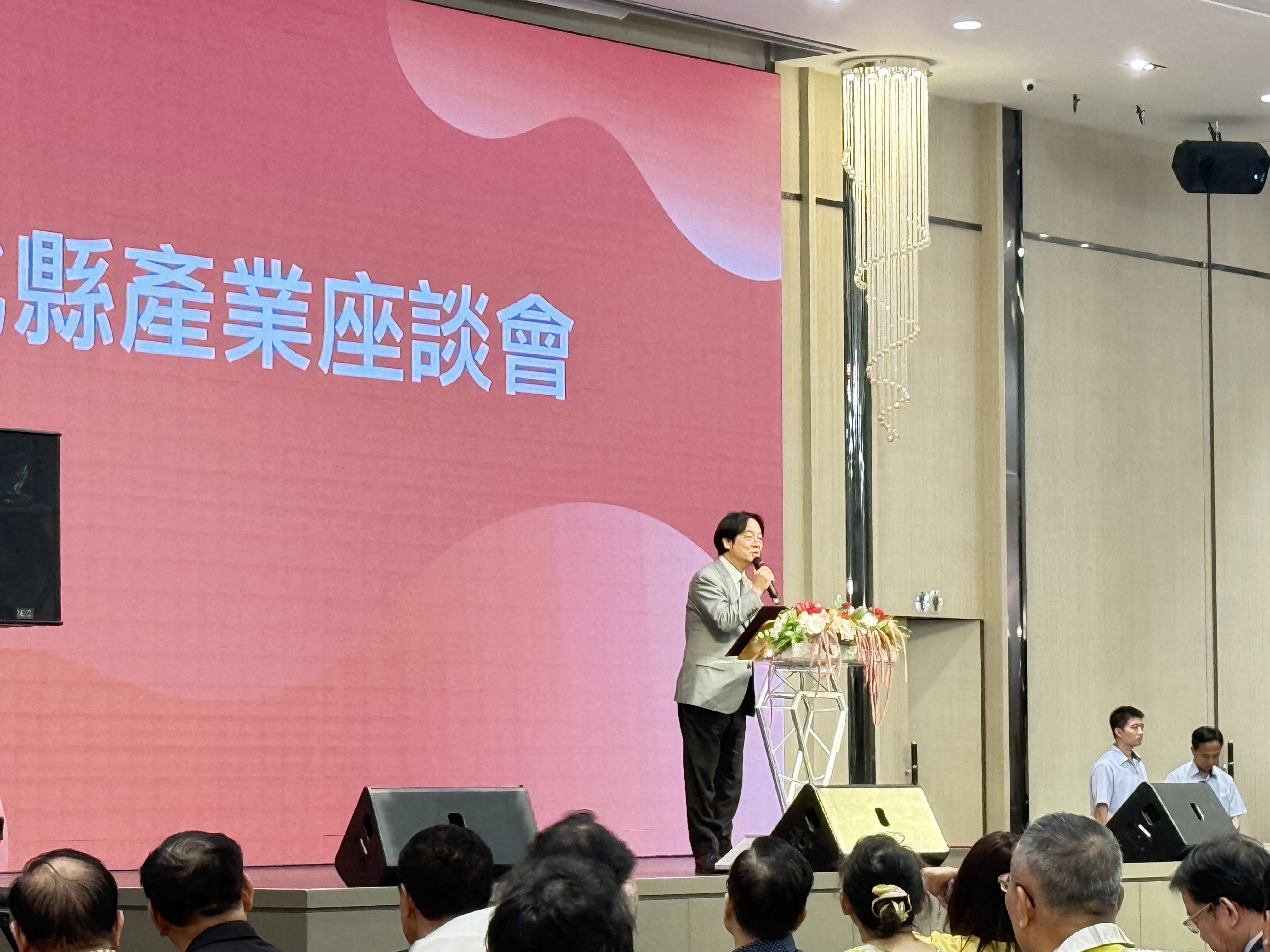
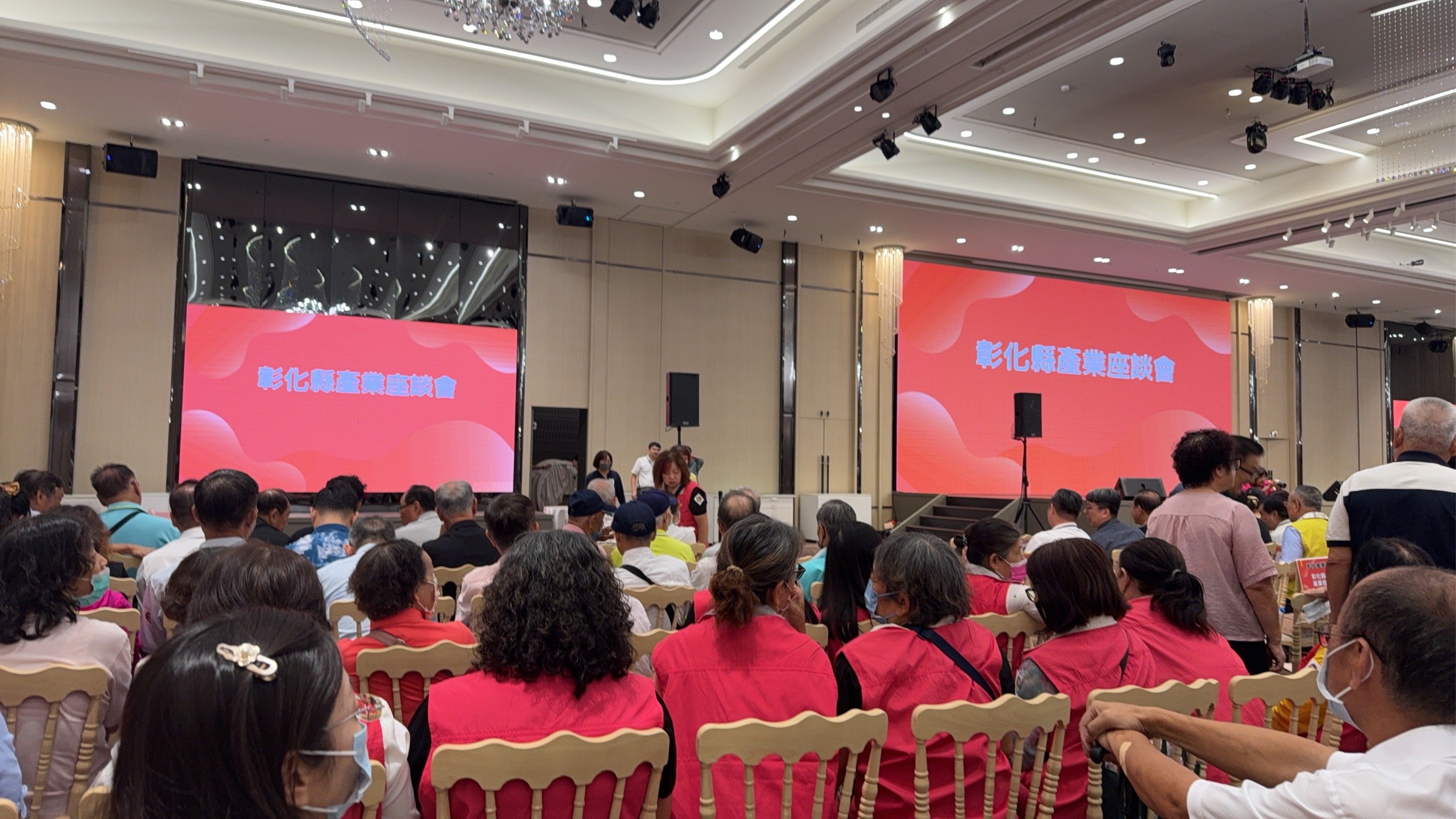
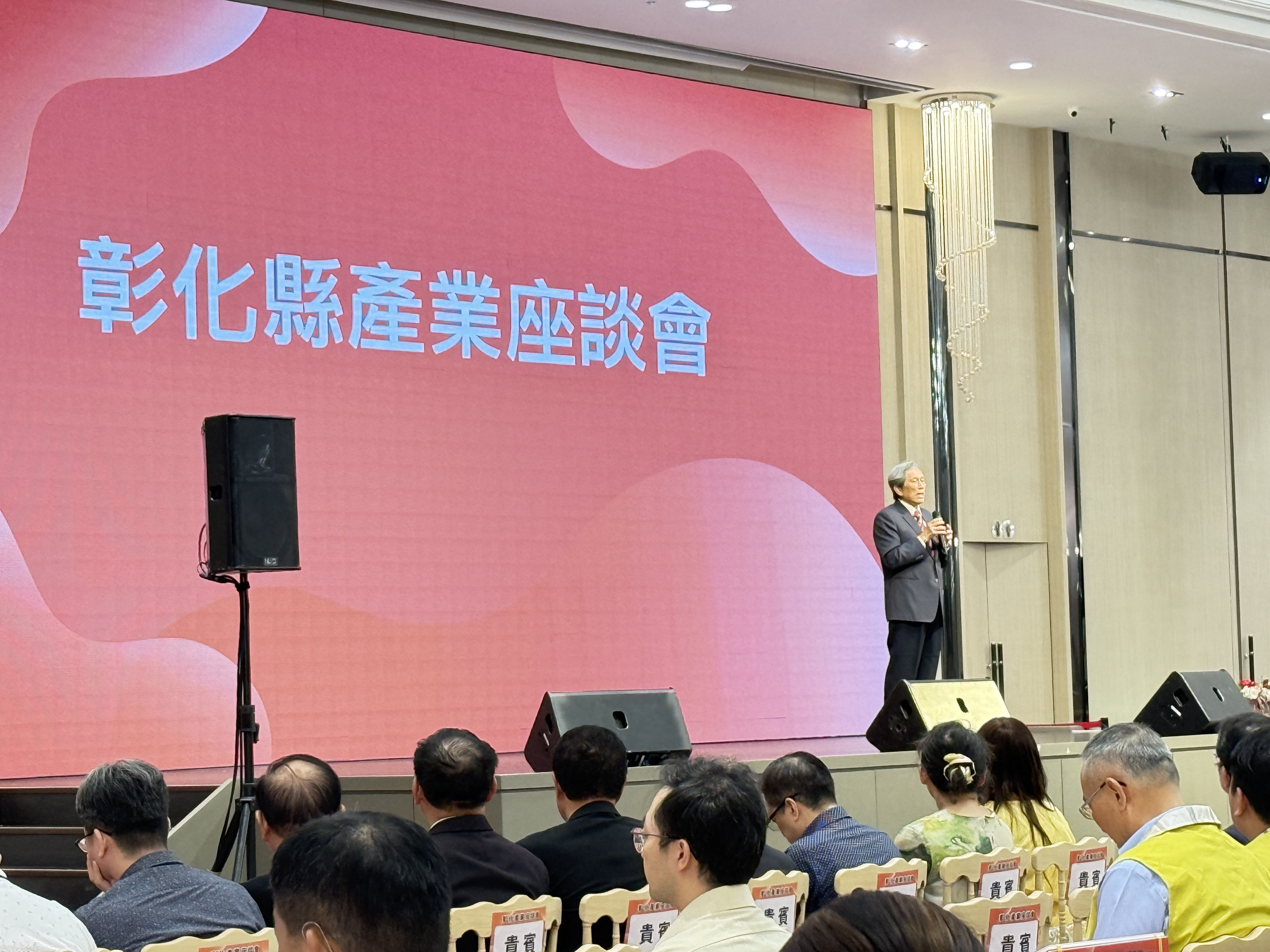
Dr. Hsu Chien-tai Participates: "Integrating AI into Changhua's Traditional Industries to Enhance Competitiveness." Changhua County Traditional Industry Economic Symposium Held Today, President Lai
County Magistrate Candidate Chen Su-yue and representatives from various Changhua county industry associations gathered to jointly concern themselves with the future upgrading and transformation direction of Changhua's traditional industries. Changhua possesses a deep manufacturing foundation and industrial...
August 21, 2026 125
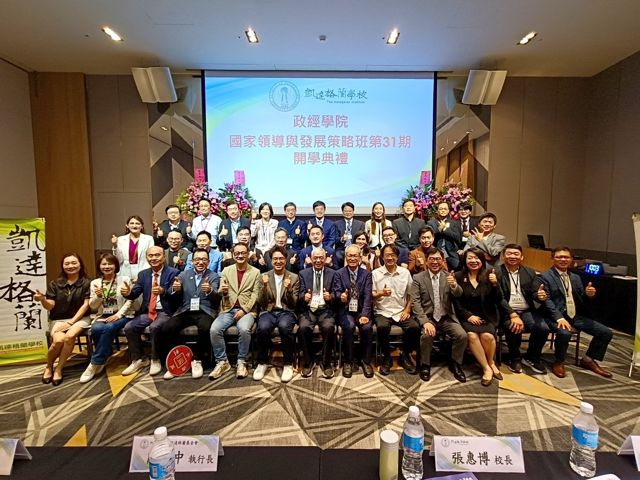
Dr. Hsu Chien-tai Participates: "Integrating AI into Changhua's Traditional Industries to Enhance Competitiveness." The Changhua County Traditional Industry Economic Symposium was held today, gathering President Lai, County Magistrate Candidate Chen Su-yue, and representatives from various Changhua county industry associations to jointly concern themselves with the future upgrading and transformation direction of Changhua's traditional industries. Changhua possesses a deep manufacturing foundation and industrial resilience, encompassing sectors from textiles, hardware, machinery, agricultural processing, to all types of SMEs, which are vital forces in Taiwan's economy. Facing rapid global industrial changes, AI artificial intelligence is not merely a tool for the technology industry but is also a crucial key for traditional industries to enhance efficiency, reduce costs, strengthen quality management, and develop markets. The symposium focused on how to assist Changhua industries in adopting AI applications, including smart manufacturing, data analysis, customer relationship management, automated production, energy conservation and carbon reduction, and brand marketing, along with the development of transformative AI applications and the drone industry.
From Traditional Foundations to Smart Hubs: How Changhua's Traditional Industries are Upgrading Resilience and Transforming Global Supply Chains with AI
Introduction: Reshaping Industry Lifelines in Times of Change
In a period of unprecedented drastic global economic changes, escalating geopolitical risks, and accelerating technological iterations, traditional industries face profound existential challenges. Taiwan, as an island nation highly reliant on manufacturing support, has always been a focus of global attention regarding its industrial resilience. Against this macroeconomic backdrop, Changhua County—a land possessing deep industrial heritage and numerous generations of inherited craftsmanship—bears the critical mission of transformation.
Dr. Hsu Jian-tai attended the series of forums, including the "Changhua Traditional Industries Integrating AI to Enhance Competitiveness," hosted by President Lai and County Magistrate Chen Su-yue's candidates, today. This event was not merely a local industry exchange activity; rather, it represents a clear national strategic blueprint: how to deeply integrate manufacturing capabilities rooted in local contexts with cutting-edge digital technologies (especially Artificial Intelligence, AI), thereby overcoming "traditional dilemmas" and transforming into an "intelligent industrial new hub" with global competitiveness.
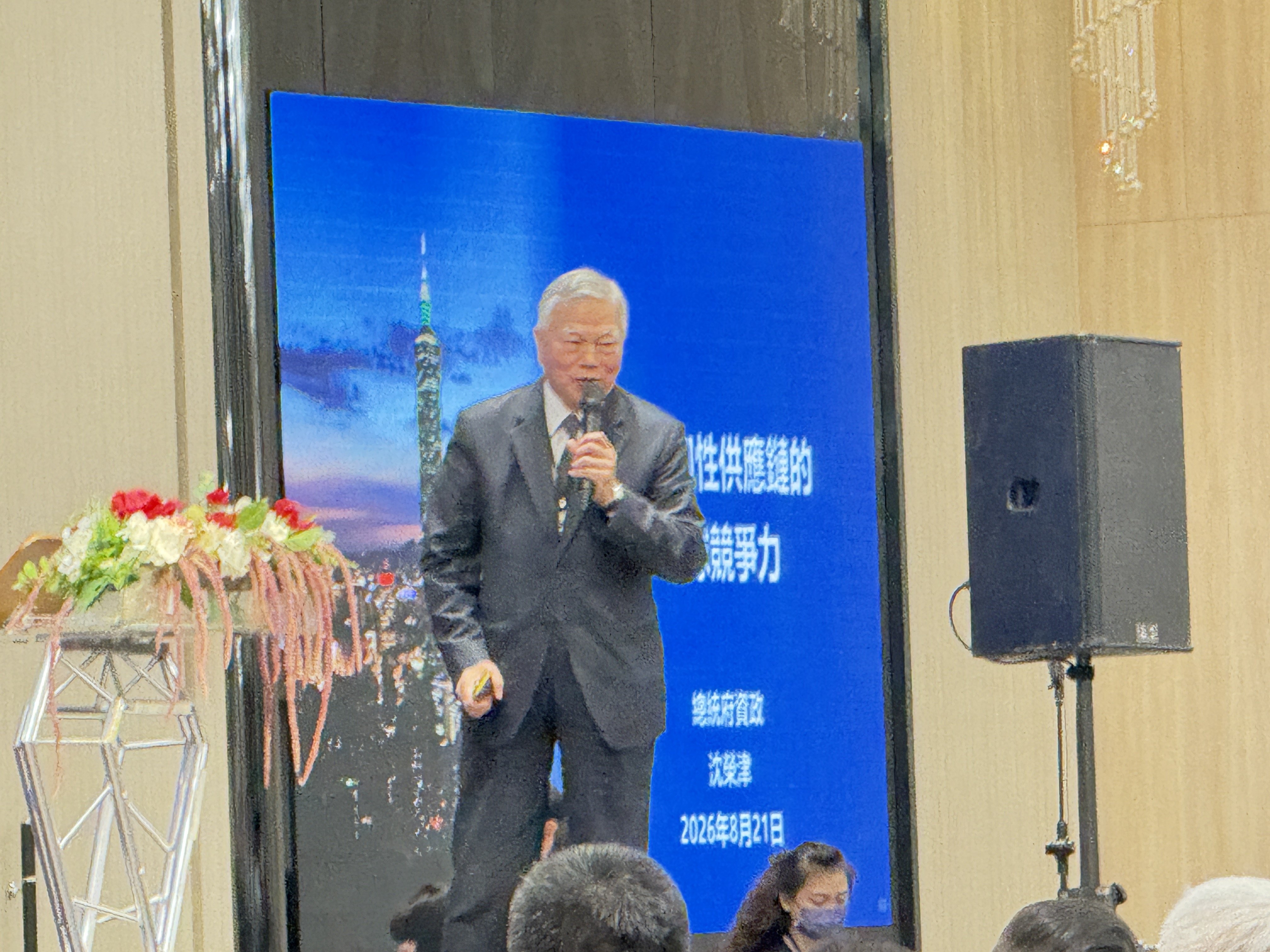
This analysis aims to deeply dissect the core issues behind this transformation wave, the key technological application directions, and the overall policy context of government resource investment and industrial upgrading. We must recognize that what Changhua represents is not merely memories of past glory, but rather immense potential waiting to be reactivated by modern technology.
I. Core Transformation Drivers: The Inevitable Integration of AI and Smart Manufacturing
The core theme of the seminar revolves around an unavoidable topic—the empowering application of Artificial Intelligence (AI) in traditional industries. In the past, many traditional manufacturing companies built their operational models on accumulated experience and manual labor; however, facing global market demands for extreme efficiency, degree of customization, and sustainability, relying solely on human power and existing processes is no longer sufficient to maintain a leading position.
The introduction of AI has fundamentally changed the production logic of industries. It is no longer a tool limited to high-tech electronics; rather, it has become a "global efficiency enhancer." Specifically, this transformation encompasses multiple dimensions:
1. Smart Manufacturing : This involves digitally monitoring and optimizing every stage of the factory process. AI vision systems can replace some manual inspections, achieving defect identification that is more stable and precise than the human eye; Predictive Maintenance models can issue early warnings before equipment fails, thereby minimizing unplanned downtime. This greatly enhances the operational rate and reliability of the production line.
2. Data-Driven Decision Making: Traditional manufacturing has often been "experience-driven," relying on the intuition of senior craftsmen. However, modern competition demands a "data-driven" approach. This involves establishing a unified Data Lake to aggregate and analyze all data—from production lines and supply chain logistics to market sales. AI algorithms can mine these massive datasets for trends that are difficult for the human eye to detect, such as optimal raw material ratios, most stable delivery schedules, or even predicting potential demand fluctuations for specific products across different seasons.
3. Global Market Linkage and Brand Repositioning : The application of AI is not limited to within the factory floor. In Customer Relationship Management (CRM), it can analyze international buyers' negotiation patterns and changing preferences; in marketing, it can use global trend reports to design more market-appealing narratives for local products. This allows Changhua's traditional manufacturing sector to transition from being a passive
II. The Deep Resilience of Taiwan's Supply Chain: Strategic Value Beyond Semiconductors
Against the backdrop of volatile international economic and trade environments, many analysis reports (such as those presented by media outlets like CNN) point out that defining Taiwan's economic strength solely by its semiconductor industry is extremely one-sided. This necessitates shifting policy focus to a broader manufacturing base with deeper historical roots—that is, traditional industrial clusters in the "non-electronics" sectors.
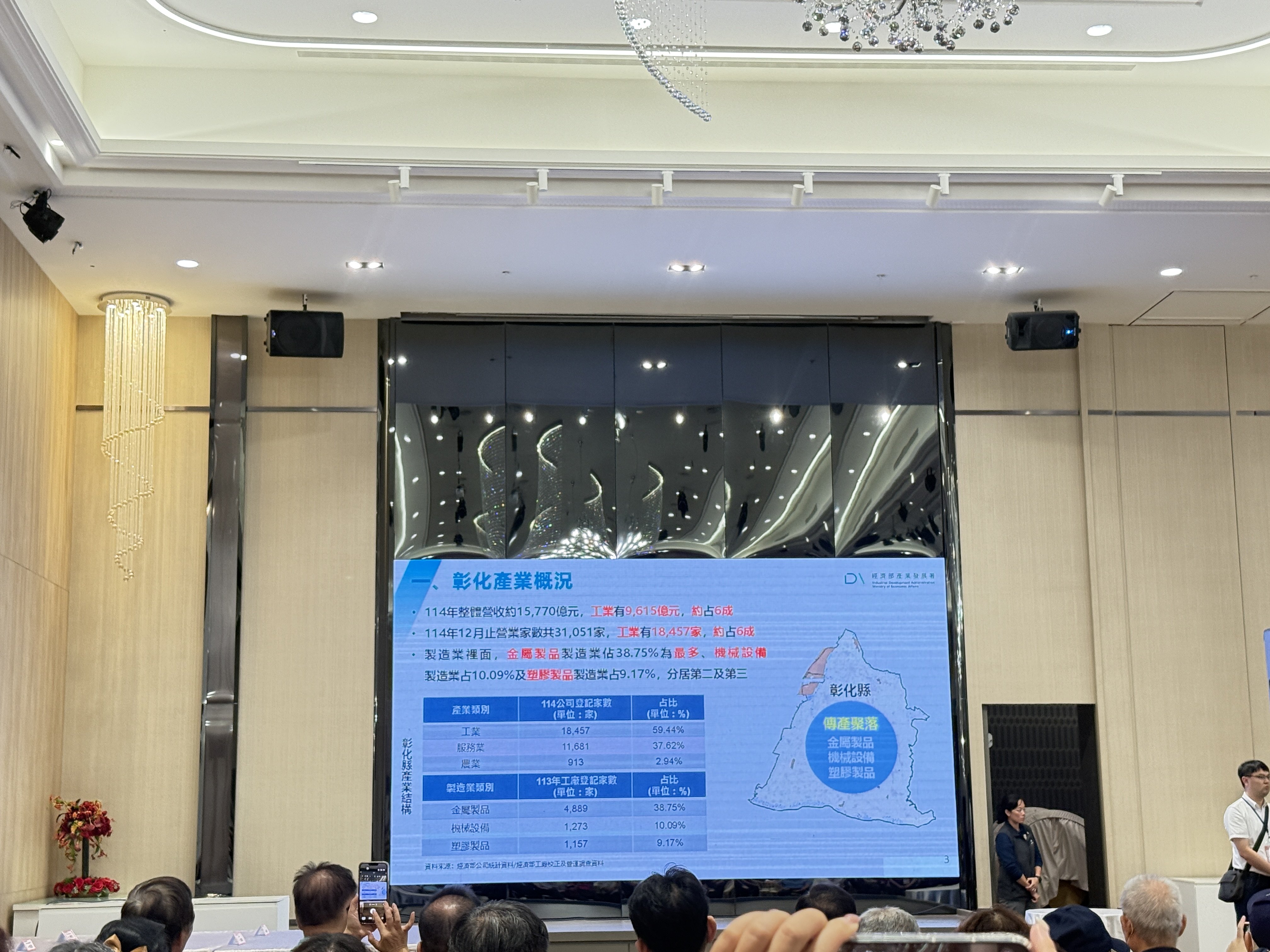
The area in Changhua happens to encompass several industrial clusters that play key supporting roles in the global supply chain: fasteners, hand tools, plumbing hardware, and so on. The strategic value of these industries lies in the following points:
High Density and Completeness (Clustering Advantage): Many core processes are highly concentrated within a very small geographical area, forming an
Therefore, the policy direction has been clearly established: the focus is not on "maintaining the status quo," but on "enhancing structural value." This requires government resources to shift from simple subsidies to precise industry upgrading guidance.
III. Policy-Level Strategic Deployment and Resource Focus
The policy documents presented at the seminar demonstrate an extremely systematic and practical resource allocation logic, whose core spirit is "precise focus, avoiding average distribution." This is reflected in the following key dimensions:
1. Strategic Direction of Budgetary Allocation: When the government allocates large special budgets, the greatest pitfall is to spread resources too thinly across the board ("rain and dew everywhere"), leading to resource dispersion and diminishing effectiveness. Therefore, policies must possess a highly rigorous screening mechanism, concentrating funds on areas with the highest transformation potential and those facing structural challenges—namely, traditional industrial clusters in the central and southern regions. The purpose of this budget is to forcibly shift the competitive model from one that has previously only focused on "short-term price discounts" toward establishing "long-term quality and technological barriers."
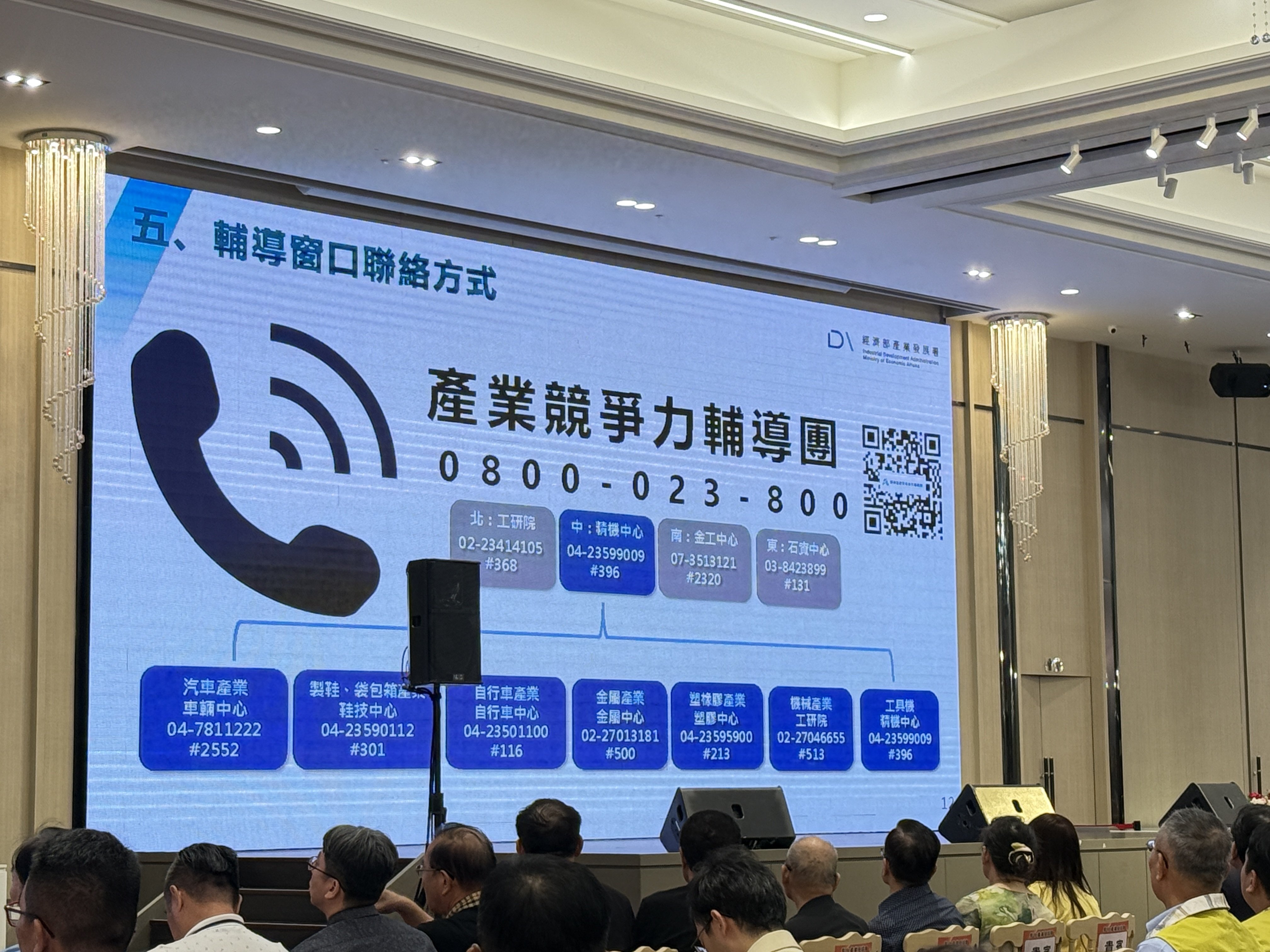
2. Building Cross-Domain Guidance Systems: The seminar showcased a rich network of guidance centers (such as automotive electrical assistance centers, footwear and bag assistance centers, etc.). This indicates that the government recognizes that a single technological tool cannot solve complex industrial problems. Transformation is a "system engineering" process that requires an all-around support system covering everything from basic craftsmanship guidance and technical instruction for specific industry chains to digital implementation.
3. Green and Smart Tracks Running Parallel: The competitiveness of modern manufacturing is no longer solely about the product itself, but also includes the "sustainability" of its operational model. Therefore, "low-carbon transition" and "smart upgrading" are viewed as two inseparable strategic mainstays. This requires traditional factories to simultaneously undergo green energy structure retrofitting and embed digital tools into every process, forming a virtuous cycle.
Conclusion: A Vision Blueprint for Becoming the Smart Industry Hub of Central Taiwan
Reviewing all the presented data and discussions, it is evident that while Hsinchu's traditional industries face immense challenges, their potential is equally profound. The future blueprint depicted in this seminar can be summarized into a clear transformation pathway:
From "relying on traditional craftsmanship" to advancing towards an "intelligent production system integrating AI technology"; From "simple contract manufacturing" to evolving into "solution providers with design and branding capabilities"; From "regional industrial clusters" to establishing itself as a "core hub in Central Taiwan with global supply chain resilience."
This transformation cannot be driven solely by single government policies. It requires central and local governments to possess the capability for macro-strategic planning and resource allocation; more critically, it demands that industry stakeholders—every corporate representative, every factory—must demonstrate a strong sense of ownership and actively embrace the learning curve brought by AI, as exemplified by Taiwan Semiconductor Industry Association (TSIA) companies like TAI-SHIELD Technology Co., Ltd. in utilizing AI to assist the industry.
When "all trades and crafts" can implement the concept of AI prototyping, not only can Changhua solidify its core position as a manufacturing base in Taiwan, but it can also steadily establish an irreplaceable and continuously growing new height for the smart industry amidst the wave of global supply chain restructuring. This transformation is a grand upgrade narrative from "craftsmanship spirit" to "data intelligence."
Share article 6
Reward the author
Enjoyed this article? Log in to send a reward to encourage the author to continue creating quality content.
Log in to tipRead next
More from「許健泰博士」

Related articles
Popular articles